
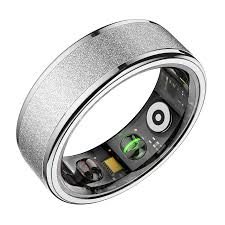
Wearable technology has become an important part of modern life, helping people understand their daily activity, sleep patterns, and general wellness. While smartwatches remain popular, smart rings are attracting attention because they offer a compact alternative for people who prefer lightweight accessories. One of the most appealing options for budget-conscious buyers is a smart ring no subscription, which allows users to explore selected tracking features without paying a recurring monthly fee.
Subscription-free smart rings can be particularly attractive to people who want convenient health-related insights without adding another ongoing expense to their budget. However, choosing the right device requires more than comparing prices. Buyers should consider tracking features, battery life, app compatibility, comfort, data access, and the manufacturer’s subscription policy.
Understanding these factors makes it easier to find a smart ring that fits everyday needs while offering good long-term value.
What Is a Smart Ring No Subscription?
A smart ring no subscription is a wearable device designed to provide selected tracking features without requiring a recurring membership payment. Depending on the model, it may collect information about daily movement, sleep, heart rate, and other wellness indicators.
Unlike traditional rings, smart rings contain electronic components and sensors that communicate with a compatible smartphone application. The application processes collected information and presents it through charts, summaries, and activity reports.
The subscription-free model is appealing because users can pay for the device once and continue accessing the included features under the manufacturer’s stated terms. Nevertheless, buyers should check whether all advertised functions remain available without a subscription.
Some devices provide basic tracking without recurring fees but reserve advanced reports, personalized recommendations, cloud services, or extended historical data for paid plans. Others may offer their core features without monthly charges. Reading the product specifications before purchasing helps avoid unexpected costs.
Why Subscription-Free Smart Rings Are Becoming Popular
Recurring payments have become common across digital services, fitness applications, and wearable technology platforms. Although subscriptions can provide additional features, not every user wants another monthly bill.
A subscription-free smart ring offers an alternative for people who prefer a straightforward purchasing arrangement. After buying the device, users may be able to access its supported features without maintaining a separate membership.
This approach offers several potential advantages.
Better Control Over Long-Term Costs
The initial purchase price is only one part of the cost of owning a wearable device. Subscription charges can increase the total amount spent over several months or years.
For example, a hypothetical service costing £5 per month would add £60 over one year and £180 over three years, excluding any price increases. A device that provides comparable core features without recurring charges may therefore offer better long-term value.
Actual savings depend on the price of the ring, its included features, and whether a competing product offers additional benefits worth paying for.
Straightforward Everyday Use
People who want simple wellness tracking may not need advanced coaching or extensive analytics. A subscription-free model can provide a more straightforward experience when its built-in features cover the user’s requirements.
Instead of managing a membership, users can concentrate on checking their activity summaries, reviewing sleep estimates, and developing consistent daily habits.
Greater Purchasing Flexibility
A subscription-free device can appeal to students, first-time wearable buyers, and people who want to keep technology expenses manageable. It also gives buyers more control over how much they spend on optional digital services.
However, an affordable purchase should still meet basic expectations for reliability, comfort, compatibility, and data privacy.
Important Features to Look For
Not every smart ring provides the same tracking capabilities. Before purchasing a device, identify which functions matter most and confirm that they are available without an additional fee.
Heart Rate Tracking
Heart rate monitoring is a common feature in many smart rings. Optical sensors use light to estimate changes in blood volume beneath the skin, allowing compatible devices to calculate heart rate readings.
A budget smart ring with heart rate tracking may help users review selected measurements during rest, sleep, or everyday activities. Some models also offer periodic monitoring or activity-related readings.
However, sensor quality, measurement frequency, and supported modes vary between products. A ring may not measure heart rate continuously, and readings can be affected by movement, fit, skin characteristics, and other factors.
Smart rings are consumer wearables rather than replacements for medical equipment. Anyone who needs dependable medical monitoring should consult a qualified healthcare professional about suitable devices.
Sleep Tracking
Sleep tracking is another reason people consider smart rings. Because rings are compact and do not have a large screen, some users find them comfortable to wear overnight.
Depending on the model, a smart ring may estimate sleep duration, identify periods of wakefulness, and provide information about sleep stages. Some applications also display bedtime trends and nightly summaries.
These measurements are estimates rather than definitive assessments of sleep quality. Different devices may produce different results, and a single night’s data does not provide a complete picture of health.
The most useful approach is to review longer-term patterns and combine them with personal observations about rest, energy, and daily routines.
Daily Activity Monitoring
Many smart rings record movement-related information such as steps, active periods, or estimated calorie expenditure. These features can help users understand how active they are throughout the day.
Activity tracking may encourage practical habits, such as taking regular walking breaks, choosing active leisure activities, or setting achievable movement goals.
Calorie estimates and other derived measurements are not perfectly accurate, so they should be treated as general indicators rather than exact calculations.
When comparing products, check which activity metrics are supported and whether the companion application displays them without a paid membership.
Additional Wellness Indicators
Some smart rings include temperature-related measurements, blood oxygen estimates, or other sensor-based indicators. Availability varies considerably across devices.
These features can provide additional context about personal trends, but they should not automatically be interpreted as medical diagnoses. Measurement accuracy, supported operating conditions, and intended use differ by manufacturer.
Buyers should look for clear explanations of each measurement and avoid assuming that every smart ring includes the same sensors.
How to Choose a Budget Smart Ring With Heart Rate Tracking
Finding an affordable wearable requires balancing price against practical performance. A low purchase price is less attractive if the device has poor battery life, unreliable connectivity, or important features locked behind a membership.
When evaluating a budget smart ring with heart rate tracking, consider the following factors.
Confirm the Subscription Policy
Start by checking whether the manufacturer requires a subscription for everyday tracking. Look specifically for information about heart rate readings, sleep summaries, activity records, historical data, and app access.
Also check whether a free application account is required and whether an internet connection is necessary for particular features.
The phrase “no subscription” should mean more than the absence of a monthly hardware payment. Buyers should understand which features are included, which are optional, and whether the policy could change under the manufacturer’s terms.
Compare Sensor Capabilities
Review the specifications to determine which sensors are actually included. Some entry-level rings may provide basic activity tracking without supporting every wellness metric advertised by more expensive alternatives.
Look for clear descriptions rather than relying entirely on broad marketing claims. If heart rate tracking is important, confirm how it works, when measurements are taken, and how results appear in the application.
Check Smartphone Compatibility
A smart ring generally relies on a companion application to display information and configure settings. Before buying, verify compatibility with your smartphone’s operating system and software version.
Check whether the application is available in your region, whether it requires account registration, and whether essential features work offline.
Compatibility matters because an otherwise suitable ring may provide limited value if its software does not function properly on your phone.
Consider Ring Sizing and Comfort
Smart rings must fit correctly to collect useful sensor readings and remain comfortable during everyday activities. A ring that is too loose may shift around the finger, while one that is too tight may be uncomfortable.
Use the manufacturer’s sizing instructions rather than assuming that your regular jewellery size will match the electronic ring. Some brands provide dedicated sizing kits because their dimensions differ from conventional jewellery.
Consider whether you plan to wear the ring during sleep, work, exercise, or other activities. A comfortable design is more likely to fit naturally into your routine.
Battery Life and Charging Convenience
Battery performance can strongly influence the everyday experience of owning a smart ring. Depending on the model, a single charge may last several days, although actual performance varies with sensor activity, connection settings, firmware, and usage.
A longer battery life can reduce interruptions and make overnight tracking more convenient. Buyers should also check how long a full recharge takes and whether the charging accessories are included.
Some rings use a dedicated charging dock or case. Others may require a specific cable or proprietary accessory. These details can affect convenience and potential replacement costs.
Manufacturers’ battery-life figures are usually estimates obtained under particular conditions. Checking independent reviews can help provide a more realistic understanding of everyday performance.
Water Resistance and Everyday Durability
A smart ring may encounter handwashing, rain, sweat, or other forms of moisture during daily use. However, water resistance varies by model, and a product suitable for ordinary splashes may not be appropriate for swimming or showering.
Review the official water-resistance rating and follow the manufacturer’s instructions carefully. Avoid assuming that every device advertised as water-resistant can be submerged or used in every water-based activity.
Material quality is also worth considering. The ring’s outer finish, sensor area, and charging contacts can influence its durability and appearance over time.
If you perform activities involving heavy lifting, tools, or machinery, consider whether wearing a ring is appropriate at all. Rings can create snagging or injury risks in certain work environments, so follow relevant safety guidance.
Understanding App Features and Data Access
The companion application is central to the usefulness of most smart rings. It turns sensor readings into understandable summaries and helps users review changes over time.
A good application should present essential measurements clearly, provide useful historical views, and make device settings easy to find. It should also explain what its measurements represent and identify any limitations.
Before purchasing, investigate how much historical data remains accessible without a subscription. Some devices may retain information locally, while others depend on cloud storage or account-based services.
Data export can also be useful for people who want to keep personal records or move information between platforms. Not every manufacturer supports this function, so check the specifications if it matters to you.
Privacy and Personal Data Protection
Smart rings can collect information about movement, sleep, and physiological signals. Because this information is personal, privacy should be part of the purchasing decision.
Review the manufacturer’s privacy policy to understand what data is collected, how it is stored, and whether it is shared with service providers or other third parties. Check whether you can delete your account and associated information.
It is also worth examining application permissions. A wellness tracker should not require access to unrelated information without a clear reason.
A subscription-free device is not automatically more private than a subscription-based alternative. Data practices depend on the manufacturer, application, and service terms rather than the billing model alone.
Who Can Benefit From a Subscription-Free Smart Ring?
A subscription-free smart ring may suit people who want basic wellness information without committing to recurring payments.
Students and budget-conscious shoppers may appreciate predictable costs. Busy professionals may value the compact design and the ability to review activity or sleep summaries without using a smartwatch screen.
People who dislike wearing watches may also find a ring more convenient for everyday use, although comfort varies between individuals.
However, buyers who require advanced training analytics, extensive integrations, or specialized health monitoring should compare the available features carefully. A subscription-free model may not offer every function available from more expensive wearables.
The best choice is the device that meets your actual needs rather than the one with the longest feature list.
Common Mistakes to Avoid When Buying a Smart Ring
A few purchasing mistakes can reduce the value of an otherwise promising device.
First, do not assume that all smart rings provide heart rate monitoring, sleep tracking, and other features. Verify each function in the official specifications.
Second, avoid judging a product entirely by its advertised battery life or sensor claims. Independent testing and detailed reviews may reveal differences between laboratory estimates and everyday use.
Third, check the full cost of ownership. A ring may be inexpensive initially but require a paid plan, proprietary accessories, or replacement equipment later.
Finally, pay attention to return policies and warranty coverage. Since sizing and compatibility are important, a clear return process can be valuable if the device does not meet your expectations.
Conclusion
A smart ring no subscription can be an appealing option for people who want convenient wearable tracking without recurring membership fees. Depending on the model, it may offer heart rate monitoring, sleep estimates, activity records, and other useful wellness features in a compact design.
When shopping for a budget smart ring with heart rate tracking, compare the sensor capabilities, subscription policy, smartphone compatibility, battery life, comfort, and data privacy arrangements. These factors matter more than an attractive headline or a low introductory price.
By reviewing the specifications and understanding the limitations of wearable measurements, you can choose a smart ring that fits your lifestyle and budget. The right device should provide useful everyday information, straightforward operation, and transparent costs without promising more than its technology can reliably deliver.