
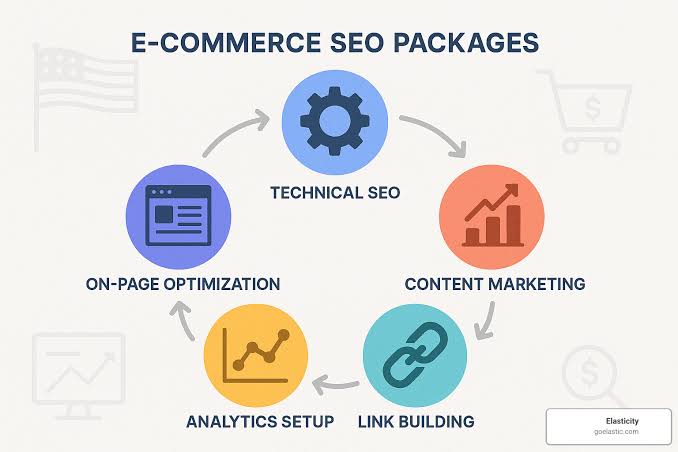
Search engine optimization is no longer an optional marketing activity for businesses that want to compete online. Whether you operate a small local company, an online store, a professional service, or a growing enterprise, appearing prominently in search results can help attract potential customers and build long-term visibility. However, SEO involves many different activities, which can make it difficult to determine which services your business actually needs. This is where seo packages can provide a practical solution.
SEO packages combine multiple optimization services into a structured plan. Instead of purchasing individual services separately, businesses can choose a package designed around specific goals, budgets, and website requirements. The key is not simply finding the cheapest package but selecting one that provides the right combination of services for your situation.
What Are SEO Packages?
SEO packages are predefined or customized collections of search engine optimization services offered by SEO professionals, agencies, or consultants. A package may include keyword research, technical SEO, content optimization, link building, website audits, local SEO, reporting, and other activities.
Different packages are generally created for different business sizes and objectives. A small business may need local optimization and foundational technical improvements, while an established e-commerce website may require extensive content development, technical monitoring, and authority-building campaigns.
A well-designed package should provide a clear strategy rather than simply promising a specific number of backlinks, articles, or keywords.
Why Businesses Use SEO Packages
Managing SEO individually can become complicated because optimization requires consistent attention. Businesses often choose packages because they provide a structured approach to improving their online presence.
One major advantage is convenience. Instead of coordinating several different professionals for technical optimization, content, keyword research, and link building, a business can work with one provider.
Packages can also make budgeting easier. Monthly or project-based pricing allows businesses to estimate their marketing investment and compare different service levels.
Another benefit is consistency. SEO works best when different activities support the same strategy. For example, keyword research can guide content creation, while technical improvements can make that content easier for search engines to crawl and understand.
Common Services Included in SEO Packages
Although packages vary between providers, several services appear frequently.
Keyword Research
Keyword research identifies the search terms potential customers use when looking for products, services, or information. Effective research considers search intent, competition, relevance, and potential business value.
A good package should not simply target keywords with high search volume. It should identify terms that are realistic to rank for and relevant to the company’s audience.
Technical SEO
Technical SEO focuses on the structure and performance of a website. It may involve improving page speed, addressing crawlability issues, fixing broken links, optimizing site architecture, improving mobile usability, and resolving indexing problems.
Technical optimization creates a stronger foundation for other SEO activities.
On-Page Optimization
On-page SEO improves elements that appear directly on website pages. This can include titles, headings, URLs, metadata, internal links, images, and content structure.
The objective is to make pages useful for visitors while helping search engines understand their subject and purpose.
Content Optimization
Content plays an important role in attracting and educating potential customers. SEO packages may include blog writing, existing content updates, landing page optimization, topic research, and content planning.
High-quality content should answer genuine user questions instead of being created solely to include keywords.
Link Building
Links from reputable and relevant websites can help strengthen a site’s authority and visibility. Depending on the provider, packages may include outreach, guest posting, digital PR, business citations, or other legitimate link-building methods.
Businesses should pay attention to quality and relevance rather than selecting a package based only on the number of links promised.
Local SEO
Local businesses often require specialized optimization. Local SEO services can include business profile optimization, local keyword research, citation management, location-based content, and reputation management.
These services can be especially valuable for companies that depend on customers within a particular city or region.
Choosing a Package Based on Business Size
Your business size can help determine which SEO package makes sense.
A small business with a limited geographic target may benefit from a basic package focused on technical improvements, local SEO, keyword research, and essential content.
A growing company may need a broader strategy involving regular content creation, technical monitoring, internal linking, and authority development.
Larger businesses and e-commerce websites often require more advanced solutions. These may involve optimizing hundreds or thousands of pages, managing complex site structures, conducting detailed technical audits, and developing large-scale content strategies.
The right package should grow with the complexity of the website.
Consider Your Main SEO Goals
Before selecting a package, identify what you want SEO to accomplish. Your goal might be increasing organic traffic, generating leads, improving local visibility, increasing online sales, or strengthening brand visibility.
For example, a local restaurant may prioritize local SEO, location-based keywords, and reputation management. An online retailer may need product-page optimization, category-page improvements, technical SEO, and content marketing.
Defining your goals first makes it easier to determine which services are necessary and which may not provide immediate value.
Compare Quality Instead of Just Price
Price is an important consideration, but it should not be the only factor when comparing SEO packages. Two providers may charge similar prices while offering completely different levels of expertise and service quality.
Review exactly what each package includes. Look for information about reporting, communication, strategy development, technical work, content standards, and link-building methods.
Be cautious of packages that make unrealistic promises, such as guaranteed first-place rankings within a specific period. Search engine rankings depend on many factors, including competition, website quality, industry conditions, and search behavior.
A trustworthy provider should explain what will be done and how progress will be measured.
Look for Transparent Reporting
SEO requires ongoing evaluation. A professional package should include regular reporting that shows meaningful progress.
Reports may cover organic traffic, keyword visibility, conversions, technical improvements, backlinks, and completed activities. The exact metrics should reflect the business’s objectives.
A report filled with complicated numbers is not necessarily useful. The best reporting explains what changed, why it matters, and what actions will be taken next.
Avoid One-Size-Fits-All Packages
Every business website has different challenges. A package designed for a local service company may not be appropriate for a national e-commerce brand.
Customization is therefore an important consideration. Even if a provider offers standard packages, there should ideally be room to adjust services according to your website’s condition, industry, competition, and goals.
An initial SEO audit can help determine which areas require the most attention.
Think About Long-Term Value
SEO is generally a long-term marketing strategy rather than a quick advertising campaign. Improvements may take time, particularly in competitive industries.
When evaluating SEO packages, consider the value of building a stronger website, producing useful content, improving user experience, and developing sustainable search visibility.
A package that costs slightly more but provides strategic, high-quality work may deliver greater long-term value than a cheap package focused on quantity.
Final Thoughts
Choosing the right SEO package starts with understanding your business needs. Instead of selecting a plan simply because it offers the most services or the lowest price, evaluate your goals, website size, competition, target audience, and available budget.
Look for a package that combines relevant services such as keyword research, technical SEO, on-page optimization, content development, link building, and local SEO where appropriate. Most importantly, choose a provider that offers transparency, realistic expectations, meaningful reporting, and a strategy built around your specific objectives.
The right SEO package should not feel like a collection of unrelated tasks. It should function as a coordinated strategy designed to improve your website’s visibility, attract relevant visitors, and support sustainable business growth.