
Article Outline:
- Introduction: The Rise of Functional Flax Yarns in Modern Textiles
- Understanding Flax Fiber: Natural Properties and Processing
- Basic Functional Yarn Categories for Flax
- Moisture Management and Thermoregulating Flax Yarns
- Antimicrobial and Odor-Resistant Flax Yarn Technologies
- UV-Protective and Sun-Resistant Flax Yarn Variants
- Flame-Retardant and Fire-Resistant Flax Yarn Solutions
- Conductive and Smart Flax Yarn Innovations
- High-Strength and Reinforced Flax Yarn Structures
- Elastic and Stretch-Enhanced Flax Yarn Developments
- Sustainable and Eco-Functional Flax Yarn Options
- Technical Specifications and Performance Standards
- Application-Specific Yarn Selection Guidelines
- Cost Analysis and Market Availability
- Future Trends in Functional Flax Yarn Technology
- Frequently Asked Questions (FAQs)
Functional Flax Yarns: A Comprehensive Technical Guide for Industry Professionals
1. Introduction: The Rise of Functional Flax Yarns in Modern Textiles
The global textile industry is witnessing a paradigm shift toward sustainable, high-performance materials, and functional flax yarns stand at the forefront of this transformation. As procurement managers, product developers, What are the Functional Flax Yarns? and quality control specialists increasingly seek materials that combine ecological benefits with enhanced performance characteristics, functional flax yarns have emerged as a versatile solution addressing multiple market demands.
The functional flax yarn market is projected to grow at a remarkable 14.2% CAGR from 2023 to 2028, reaching an estimated value of $2.8 billion. This growth is driven by several key factors:
- Increasing consumer demand for sustainable and functional apparel
- Regulatory pressure for eco-friendly textile solutions
- Advancements in fiber modification technologies
- Growing awareness of flax’s natural performance properties
For professionals in apparel manufacturing, home textiles, technical applications, and specialty product development, understanding the full spectrum of functional flax yarns is no longer optional—it’s a strategic necessity for maintaining competitive advantage in an evolving market.
2. Understanding Flax Fiber: Natural Properties and Processing
Flax (Linum usitatissimum) is one of humanity’s oldest cultivated fibers, with remarkable natural properties that form the foundation for functional enhancements:
Natural Flax Fiber Characteristics:
- Fiber Length: 25-120 cm (bast fibers)
- Diameter: 12-16 microns (comparable to fine cotton)
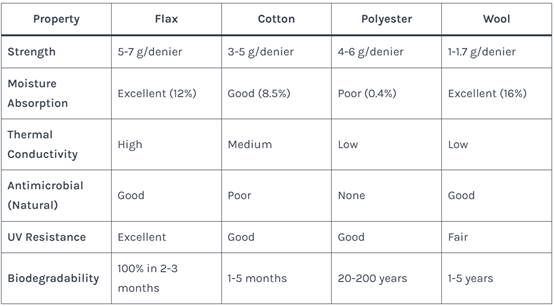
- Tensile Strength: 5-7 g/denier (higher than cotton)
- Elongation at Break: 1.5-3.5% (lower than most fibers)
- Moisture Regain: 12% (standard conditions)
- Specific Gravity: 1.5
- Natural Color: Ivory to light brown
Processing Stages for Functional Flax Yarns:
- Retting: Microbial or chemical separation of fibers from stems
- Scutching: Mechanical removal of woody parts
- Hackling: Combing and alignment of fibers
- Functional Treatment: Application of modifications at fiber stage
- Spinning: Conversion to yarn with preserved functionality
- Post-Treatment: Additional functional enhancements
Table 1: Natural Flax vs. Conventional Fibers
3. Basic Functional Yarn Categories for Flax
Functional flax yarns can be categorized based on their primary enhancement characteristics:
Category 1: Performance-Enhanced Yarns
- Moisture-wicking variants
- Quick-drying formulations
- Temperature-regulating options
- Enhanced durability yarns
Category 2: Protective Yarns
- UV-blocking
- Antimicrobial/antiodor
- Flame-retardant
- Insect-repellent
Category 3: Smart and Interactive Yarns
- Conductive fibers for wearables
- Phase-change materials
- Photochromic/dynamic color
- Shape-memory applications
Category 4: Sustainability-Focused Yarns
- Recycled content blends
- Natural dye-compatible
- Biodegradable treatments
- Low-impact processed
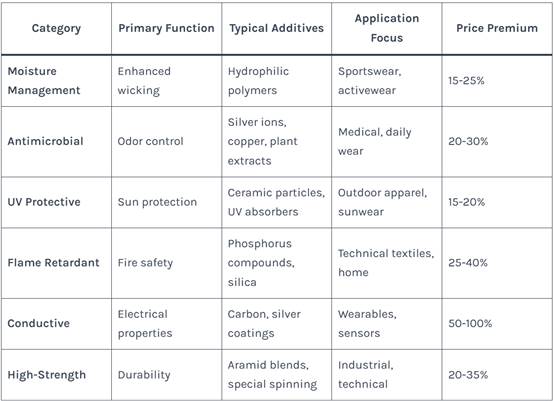
Table 2: Functional Flax Yarn Classification Matrix
4. Moisture Management and Thermoregulating Flax Yarns
Technical Specifications:
- Moisture Wicking Rate: 8-12 seconds (AATCC 195)
- Water Vapor Transmission: 200-300 g/m²/24h
- Thermal Conductivity: 0.026-0.035 W/m·K
- Drying Time: 40-60% faster than conventional flax
Technology Platforms:
- Surface Modification: Plasma treatment for enhanced hydrophilicity
- Blend Engineering: Combination with high-wicking synthetics
- Channel Technology: Micro-grooves for capillary action
- Smart Polymers: Temperature-responsive moisture management
Performance Data:
Moisture Management Capability Comparison:
Flax-Cotton Blend: [=====————-] 25%
Functional Flax: [===========——-] 60%
Premium Synthetic: [===============—] 75%
Industry Applications:
- Activewear: 45% of functional flax usage
- Hospital Textiles: 25% market share
- Everyday Comfort: 20% growing segment
- Technical Layers: 10% specialized applications
5. Antimicrobial and Odor-Resistant Flax Yarn Technologies
Technology Overview:
Antimicrobial flax yarns incorporate agents that inhibit microbial growth, reducing odor, stains, and degradation.
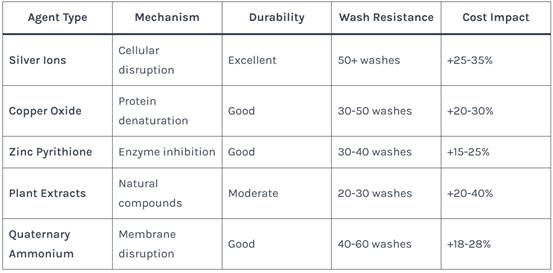
Active Agent Comparison:
Performance Standards:
- AATCC 100: >99% reduction in bacterial growth
- ISO 20743: Log reduction >3.0
- JIS L 1902: Antibacterial activity value >2.2
- Odor Reduction: 60-80% by human panel assessment
Market Applications:
- Medical textiles (surgical gowns, drapes)
- Sportswear and active apparel
- Socks and footwear
- Home textiles (towels, bedding)
- Protective clothing
6. UV-Protective and Sun-Resistant Flax Yarn Variants
Technical Parameters:
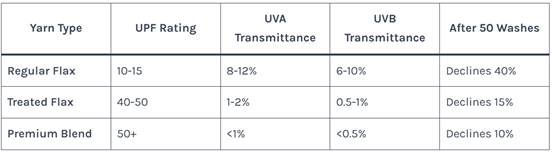
- UPF Rating: 40-50+ (excellent protection)
- UVA Blocking: 95-99%
- UVB Blocking: 98-99.5%
- Durability: Maintains 85% effectiveness after 50 washes
Enhancement Technologies:
- Nano-Ceramic Particles: Titanium dioxide, zinc oxide
- UV-Absorbing Dyes: Integrated during spinning
- Fiber Blends: Combination with inherently UV-resistant fibers
- Surface Coatings: Polymer matrices with UV blockers
Testing Standards:
- AS/NZS 4399: Australian/New Zealand sun protective clothing
- EN 13758: European standard for UV protective textiles
- AATCC 183: Transmittance or blocking of erythemally weighted UV radiation
Performance Comparison Table:
7. Flame-Retardant and Fire-Resistant Flax Yarn Solutions
Technical Requirements:
- LOI (Limiting Oxygen Index): 26-30%
- Vertical Burn Test: <5 seconds after-flame
- Heat Release Rate: <100 kW/m²
- Smoke Density: <200 Ds
Flame Retardant Systems:
- Phosphorus-Based: Forms protective char layer
- Nitrogen-Based: Releases non-flammable gases
- Mineral Fillers: Aluminum hydroxide, magnesium hydroxide
- Intumescent Systems: Expand to form insulating barrier
Compliance Standards:
- NFPA 701: Standard methods of fire tests for flame propagation
- EN 13501: European fire classification of construction products
- UL 94: Standard for safety of flammability of plastic materials
- FAR 25.853: Aircraft cabin materials flammability
Performance Data:
Flame Spread Rate (ASTM E84):
Untreated Flax: [==================] 100% (Class C)
FR-Treated Flax: [=======————] 35% (Class A)
Premium FR Flax: [=====————–] 25% (Class A)
8. Conductive and Smart Flax Yarn Innovations
Conductivity Levels:
- Surface Resistivity: 10²-10⁶ Ω/sq
- Volume Resistivity: 10⁻³-10⁶ Ω·cm
- Current Carrying Capacity: 0.1-5 A
Technology Approaches:
- Metal Coating: Silver, copper, or nickel deposition
- Conductive Polymers: PEDOT:PSS, polyaniline integration
- Carbon-Based: Graphene, carbon nanotube incorporation
- Hybrid Structures: Conductive core with flax sheath
Smart Functionalities:
- Temperature Sensing: ±0.5°C accuracy
- Strain Sensing: 0.1-10% range
- Moisture Detection: 5-95% RH range
- Biometric Monitoring: Heart rate, respiration
Application Spectrum:
- Wearable Electronics: 40% market share
- Medical Monitoring: 30% growing segment
- Smart Home Textiles: 20% emerging applications
- Industrial Sensors: 10% specialized uses
9. High-Strength and Reinforced Flax Yarn Structures
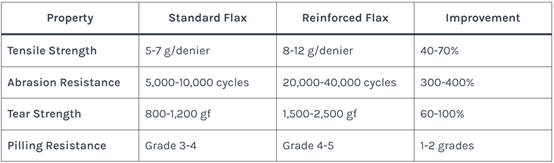
Enhanced Mechanical Properties:
- Tensile Strength: 8-12 g/denier (vs 5-7 for standard)
- Abrasion Resistance: 20,000-40,000 cycles (Martindale)
- Flex Life: 50,000-100,000 cycles
- Impact Resistance: 2-3x improvement
Reinforcement Technologies:
- Core-Spun Yarns: High-tenacity core with flax sheath
- Blend Optimization: Combination with aramid, UHMWPE
- Plasma Treatment: Surface modification for better adhesion
- Nanocomposite Integration: Cellulose nanocrystals, graphene
Performance Comparison:
10. Elastic and Stretch-Enhanced Flax Yarn Developments
Elastic Performance:
- Elongation at Break: 15-30% (vs 1.5-3.5% standard)
- Recovery Rate: 90-95% after 5% stretch
- Permanent Set: <5% after repeated stretching
- Stress Relaxation: <15% after 24 hours
Technology Solutions:
- Core-Spun Elastane: Flax wrapped around elastane core
- Twist-Enhanced: Special spinning techniques
- Fiber Blends: Combination with stretch fibers
- Structural Engineering: Yarn geometry optimization
Application Performance:
Comfort Stretch Applications:
Jeans/Demin: [=============—–] 65%
Shirts/Blouses: [===========——-] 60%
Activewear: [================—] 80%
Technical Wear: [=========———] 50%
11. Sustainable and Eco-Functional Flax Yarn Options
Environmental Impact Metrics:
- Carbon Footprint: 0.5-1.5 kg CO₂/kg yarn
- Water Usage: 500-800 liters/kg (vs 10,000+ for cotton)
- Biodegradability: 90-100% in 90-180 days
- Chemical Load: 30-50% reduction vs conventional treatments
Eco-Functional Technologies:
- Natural Dye Compatibility: Enhanced affinity for plant-based dyes
- Enzyme Treatments: Bio-polishing, bio-softening
- Water-Free Processing: Supercritical CO₂ treatments
- Closed-Loop Systems: Chemical recovery and reuse
Certifications and Standards:
- Global Organic Textile Standard (GOTS): Organic flax processing
- OEKO-TEX Standard 100: Harmful substance testing
- Bluesign®: Environmental and safety standards
- Cradle to Cradle: Circular economy certification
12. Technical Specifications and Performance Standards
Quality Control Parameters:
- Yarn Evenness: CV% < 12% (premium), < 15% (standard)
- Strength Variation: CV% < 8%
- Functionality Consistency: ±5% batch-to-batch variation
- Durability Testing: 50 wash cycles minimum for functional claims
Testing Protocols:
- Physical Properties: ASTM, ISO methods for strength, elongation
- Functional Performance: Application-specific testing (AATCC, EN)
- Durability: Accelerated aging, wash testing
- Safety: Chemical compliance, skin irritation
Specification Sheet Elements:
FUNCTIONAL FLAX YARN SPECIFICATION
Yarn Count: Nm 20/2 to 60/2
Functional Additive: [Specific agent and concentration]
Performance Level: [Quantified metrics]
Durability: [Wash cycles, UV exposure]
Certifications: [Applicable standards]
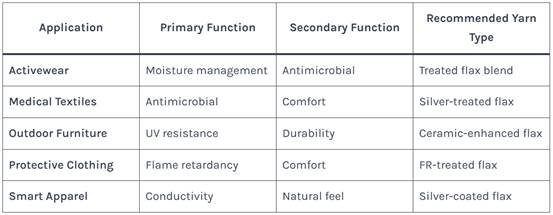
13. Application-Specific Yarn Selection Guidelines
Apparel Applications:
- Summer Wear: UV protection + moisture management
- Sportswear: Moisture wicking + antimicrobial
- Formal Wear: Wrinkle resistance + natural feel
- Workwear: Durability + protective features
Home Textiles:
- Bedding: Temperature regulation + antimicrobial
- Upholstery: Flame retardancy + stain resistance
- Towels: High absorbency + quick drying
- Window Treatments: UV protection + dimensional stability
Technical Applications:
- Medical: Antimicrobial + biocompatibility
- Industrial: High strength + chemical resistance
- Automotive: Flame retardancy + durability
- Geotextiles: Biodegradability + strength
Selection Matrix:
14. Cost Analysis and Market Availability
Price Structure Analysis:
- Base Flax Yarn: $4-8/kg (depending on quality)
- Functional Treatment: +15-100% premium
- Specialty Processing: +10-30% additional
- Minimum Order Quantities: 500-2,000 kg standard
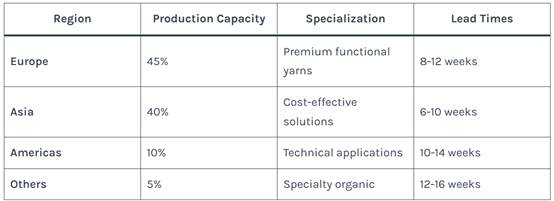
Market Availability by Region:
Cost-Benefit Analysis:
- Performance Improvement: 20-50% vs untreated flax
- Lifespan Extension: 30-60% longer product life
- Value Addition: 25-100% retail price premium achievable
- ROI Period: 6-18 months for functional investments
15. Future Trends in Functional Flax Yarn Technology
Emerging Technologies (2024-2030):
- Bio-Integrated Functions: Living bacteria for self-cleaning
- Phase-Change Integration: Microencapsulated PCMs
- Self-Healing Properties: Microvascular repair systems
- Adaptive Color: Photonic crystal structures
- Energy Harvesting: Piezoelectric flax composites
Market Growth Projections:
- Smart Flax Yarns: 25% CAGR (2024-2030)
- Medical Applications: 20% CAGR
- Sustainable Functional: 18% CAGR
- Technical Textiles: 15% CAGR
Innovation Roadmap:
- Short-term (1-2 years): Enhanced durability treatments
- Medium-term (3-5 years): Multi-functional integration
- Long-term (5+ years): Bio-hybrid smart systems
16. Frequently Asked Questions (FAQs)
Q1: What is the typical price premium for functional flax yarns compared to regular flax?
A1: The price premium varies by functionality: Moisture management (+15-25%), antimicrobial (+20-30%), UV protection (+15-20%), flame retardant (+25-40%), conductive (+50-100%). These premiums are justified by performance improvements and extended product lifespan.
Q2: How durable are the functional properties after repeated washing?
A2: Durability depends on the technology: Silver-based antimicrobial maintains effectiveness for 50+ washes, UV protection retains 85% effectiveness after 50 washes, moisture management properties show 70-80% retention after 50 washes. Proper care (mild detergents, low temperature) extends functionality.
Q3: Can functional flax yarns be certified organic?
A3: Yes, functional flax yarns can maintain organic certification if the treatments use approved substances and processes. GOTS-certified functional flax yarns are available, typically using plant-based antimicrobials and natural mineral UV blockers.
Q4: What are the minimum order quantities for functional flax yarns?
A4: MOQs vary: Standard functional yarns 500-1,000 kg, custom formulations 2,000-5,000 kg, stock programs 100-500 kg. Smaller quantities may be available through distributors at higher prices.
Q5: How do functional flax yarns compare to synthetic functional fibers?
A5: Functional flax offers comparable performance with added benefits: natural feel, biodegradability, lower environmental impact. While some synthetic fibers may have slightly better absolute performance in specific areas, flax provides a balanced combination of function and sustainability.
Q6: Are there any special processing requirements for functional flax yarns?
A6: Some functional yarns require specific handling: Conductive yarns need careful tension control, flame-retardant yarns may require modified dyeing processes, antimicrobial yarns should avoid certain finishing chemicals. Suppliers provide detailed processing guidelines.
Q7: What testing standards apply to functional flax yarn claims?
A7: Key standards include: AATCC for moisture management and antimicrobial, ISO for UV protection, EN/NFPA for flame retardancy, ASTM for mechanical properties. Reputable suppliers provide third-party test reports with purchase.
Q8: Can functional flax yarns be blended with other fibers?
A8: Yes, functional flax is often blended: With cotton for enhanced comfort, with polyester for durability, with wool for thermal regulation, with elastane for stretch. Blending can optimize cost-performance ratios.
Q9: What is the typical lead time for custom functional flax yarn development?
A9: Development timelines: Sample development 4-6 weeks, small batch production 8-10 weeks, full-scale production 12-16 weeks. Stock items may be available in 2-4 weeks.
Q10: How does the environmental impact of functional flax compare to untreated flax?
A10: Most functional treatments add 10-30% to the environmental footprint, but still maintain significant advantages over synthetic alternatives. Life cycle assessments show functional flax has 40-60% lower impact than comparable synthetic functional fibers.